web design
brand design
digital growth
what makes a brand feel memorable
a memorable brand is built through a complete experience that people can recognize, understand, and connect with over time. the logo, colors, typography, tone, content, website, packaging, and service all matter because they work together.

Jun 1, 2026
what makes a brand feel memorable
Edgar T.
tl;dr
a memorable brand is built through a complete experience that people can recognize, understand, and connect with over time. the logo, colors, typography, tone, content, website, packaging, and service all matter because they work together. for a small business, memorability starts with knowing what the business adds to people’s lives and communicating that idea clearly across every platform.
a memorable brand rarely begins with a single visual decision. if you think about it, people may remember a color, an icon, a package, a phrase, or an ad, but those elements usually stay in their mind because something clicked first: the brand reached them in a way that felt clear, relevant, and connected to what they needed.
for a small business, this is important because branding often starts with visible things: the logo, the color palette, the instagram grid, the menu, the label, the website, which are useful pieces, but they cannot do the full work alone. a brand becomes memorable when every piece helps people understand who the business is, what it offers, and why it matters to them.
at taller tintor, we think of a memorable brand as a system of decisions. it includes visuals, messages, platforms, and experiences that should feel cohesive over time. when that system works, people can recognize the brand beyond surface details, they remember the experience.
memorability starts with knowing what the business adds
before choosing a font or color palette, a small business needs to understand what it adds to the audience - yes, it sounds simple, but it is often the hardest part.
what does the business help people do, feel, solve, choose, avoid, enjoy, or understand? what makes its offer useful in a way people can actually recognize? what should a person understand after seeing the brand for the first time?
this is where many branding decisions become clearer. a small bakery, a dental clinic, a yoga studio, a consultant, and a ceramics shop may all want to look professional and appealing, but their audiences need different signals: one may need warmth and closeness, another may need precision and calm, another may need creativity, trust, or a sense of ritual.
when the business knows itself clearly, its unique selling proposition becomes easier to communicate, the brand stops depending on decoration and starts working as a bridge between what the business offers and what the audience needs to understand.
recognition goes deeper than identification
recognition is usually explained as the ability to identify a brand. that definition is useful, but we like to take it further: recognition is a bridge between a brand and a person. it helps someone connect a business with a feeling, a value, a message, or a previous experience.
this is why consistency matters - according to the ehrenberg-bass approach to distinctive brand assets, elements such as color, logos, icons, packaging, patterns, shapes, and audio cues can become learned associations that help people notice, recognize, and remember a brand.
for a small business, that does not mean putting the full logo everywhere, in fact, using the logo as the only recognizable element can make the brand feel heavy and repetitive. recognition works better when there are several connected signals: a color palette, a tone of voice, a style of photography, a layout rhythm, a way of explaining things, a type of detail in the service experience.
a useful test is to remove the logo from three brand pieces, such as an instagram post, a website section, and a package or proposal. if the pieces still feel like they belong to the same business, the brand is becoming easier to recognize.
the logo cannot carry the whole brand
one of the most common mistakes small businesses make is trying to make the logo say everything. the logo becomes a container for the product, the personality, the location, the story, the audience, and every possible meaning. the result can feel crowded and hard to use.
a logo is important, but it works as part of an identity. the brand also needs a voice, a message, a visual language, and a consistent way of showing up. this is a good place to link to our blog post on whether branding, logo, and identity are the same, because that distinction helps small businesses make better decisions from the start.
another common mistake is using familiar symbols without enough thought. for example, some businesses borrow from football crests, popular badges, or existing visual references because they feel recognizable already. the problem is that borrowed familiarity can confuse the brand’s meaning, and sometimes it can create legal issues. more importantly, it prevents the business from building its own recognition.
consistency should feel flexible and cohesive
consistency does not mean repeating the same piece forever, it means the brand continues to feel like itself across different situations.
when we, at taller tintor, build brands, we often think of the brand like a person, we define adjectives that guide how it should be perceived. is it warm, precise, playful, calm, direct, refined, practical, generous, local, expert, or curious? those adjectives help the brand make decisions across many formats.
a social post, a website, an invoice, a package, an email, and a proposal will never be exactly the same, they have different jobs and still, they can share the same voice. they can feel connected through color, type, spacing, rhythm, vocabulary, photography, and the way the business explains itself.
beauty should serve function
beauty is subjective. when a business designs only from what the owner finds beautiful, the brand may connect with some people and confuse others. a more useful question is: what will help this audience understand us and feel connected to what we offer?
remember: no, you don’t remove beauty from the process, instead, you give it a job.
a beautiful brand can invite attention, create desire, and make the experience more enjoyable, still, the design needs to work, to help people read, choose, remember, trust, compare, and act. if the brand looks good but cannot explain the offer, guide the audience, or stay consistent across platforms, it will struggle to become memorable.
function also protects the brand from trend-based decisions. a trend can be useful when its audience overlaps with the people the business wants to reach. if the trend is only randomly viral, the business can test it lightly without building its identity around it. sometimes random viral things happen, claro, but a brand should not depend on randomness to be remembered.
repetition builds familiarity
people usually need to see a brand more than once before it feels familiar. repetition helps because it gives the audience more chances to connect signals with meaning.
for small businesses, the most useful things to repeat are usually the color palette, tone of voice, adaptable layouts, and core messages. this repetition should feel intentional, as a brand can repeat a phrase, a structure, a way of opening captions, a photography style, or a clear explanation of its offer.
the goal is familiarity. people should start to feel, “i know who this is,” even before they read the name.
una marca humana le habla a personas reales
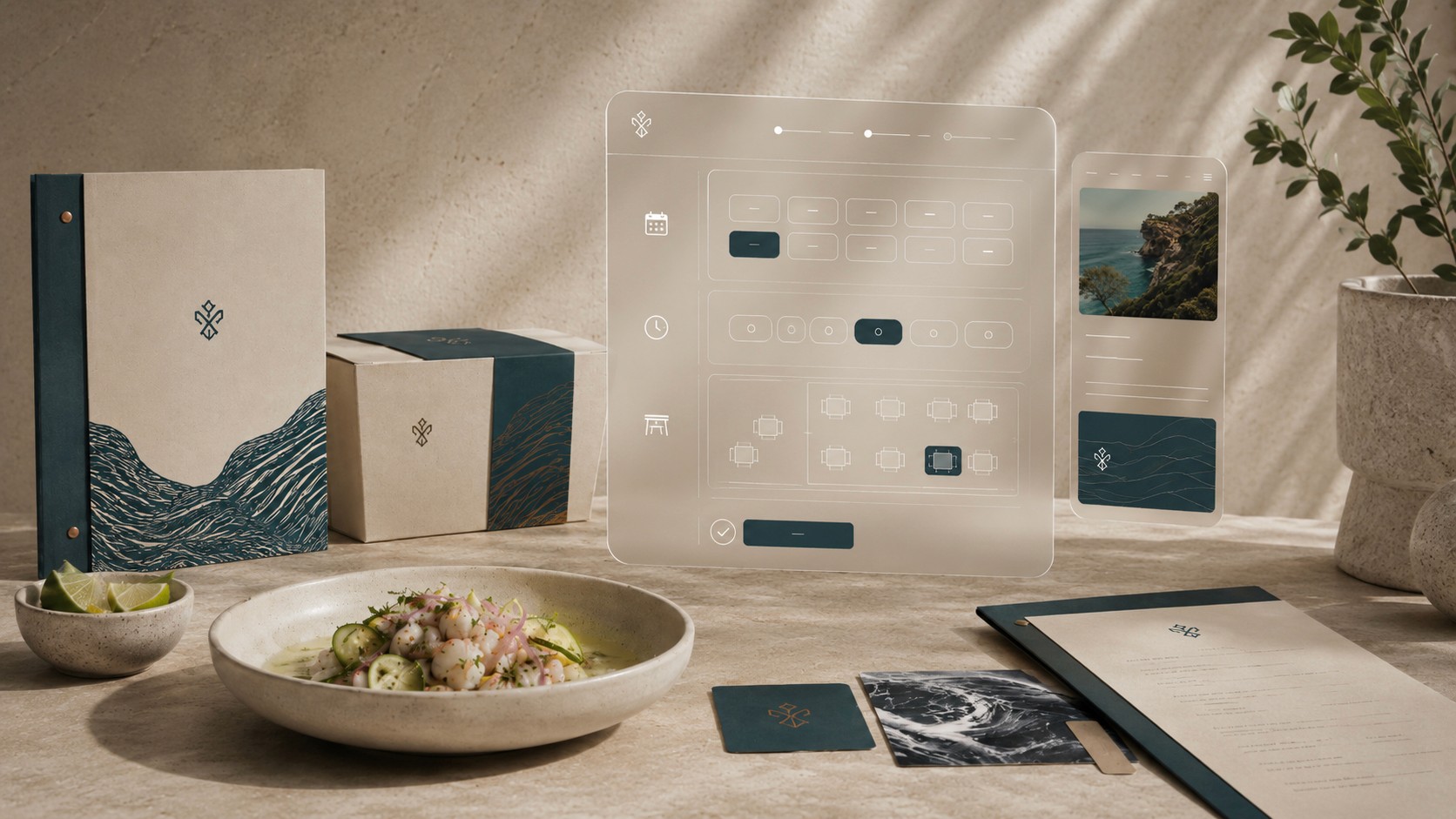
una marca se siente humana cuando todo lo que pone en el mundo le habla a personas reales: el lenguaje es claro, los detalles se sienten cuidados, el tono coincide con la experiencia y los visuales y mensajes se sienten coherentes.
hoy, esto también significa tener cuidado con contenido que se siente obviamente creado con ia. las marcas todavía necesitan un punto de vista humano. cuando todos los captions suenan genéricos o desconectados del negocio real, la marca se vuelve más difícil de confiar y más fácil de ignorar.
una marca humana necesita sonar como si entendiera a quién le está hablando.
cuando el presupuesto es limitado, la base va primero
cuando el presupuesto es limitado, la prioridad debería ser la base. una pequeña empresa tal vez no puede invertir en un brand book completo, pero puede empezar con una guía básica: versiones de logo, colores, tipografías, principios de voz, ejemplos visuales y reglas simples de uso.
esa base ayuda a que cada pieza futura se sienta más coherente. después se pueden crear plantillas para redes, empaques, señalética, presentaciones o secciones de sitio web usando los mismos criterios. incluso cuando cada material no está diseñado profesionalmente desde cero, la marca tendrá una dirección más clara.
hacerlo al revés suele gastar más energía y dinero, porque crear muchas piezas para muchos canales sin una base coherente suele llevar a inconsistencias, rediseños y confusión cuando cambia el equipo de diseño o marketing.
dos pruebas simples para revisar la memorabilidad
la primera prueba es quitar el logo: toma tres piezas de distintas plataformas y cúbrelo. si todavía se sienten conectadas, la identidad tiene señales reconocibles más allá de la marca gráfica.
la segunda prueba es pedir tres palabras: pídele a alguien fuera del negocio que vea algunos puntos de contacto y describa la marca en tres palabras. si esas palabras se acercan a los adjetivos que la marca quiere comunicar, el sistema está trabajando en la dirección correcta.
estas pruebas son simples, pero ayudan a las pequeñas empresas a ser más selectivas. ayudan a mover la conversación lejos del gusto personal y acercarla al reconocimiento, la claridad y la conexión.
para cerrar
una marca memorable va más allá del logo y se construye a través de toda la experiencia que las personas tienen con el negocio: mensajes, visuales, plataformas e interacciones.
para pequeñas empresas, el trabajo empieza por saber qué aporta el negocio a su audiencia, definir cómo debería percibirse, elegir señales que puedan repetirse, crear una base antes de producir piezas para cada canal, usar tendencias con criterio y dejar que la belleza sirva a la función.
la meta es construir una marca que las personas puedan reconocer, entender y recordar porque la experiencia se siente clara y coherente cada vez que se encuentran con ella.